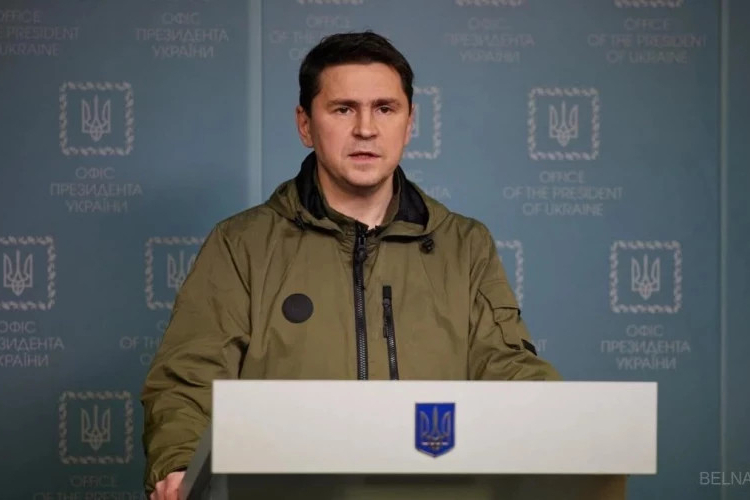
The Ukrainian presidential adviser, Mihail Podoleak, believes that the decree signed by Vladimir Putin on the simplified granting of Russian citizenship to residents of the Transnistrian region represents a political and propagandistic pressure action on the Republic of Moldova. The official from Kiev maintains that the situation must be carefully monitored to prevent potential security risks in the region, reports IPN.
The Ukrainian official explained that Russia is using the separatist region as a geopolitical influence tool over Chisinau and to hinder the Republic of Moldova’s approach to the European Union.
Mihail Podoleak has described the decree signed by Vladimir Putin as an act of propagandistic pressure and argued that Russia is using the Transnistrian region as an instrument of influence to hinder the pro-European path of the Republic of Moldova. The Ukrainian official compared the situation to that of the Donetsk and Lugansk regions.
“This decree should only highlight Putin’s propagandistic attempt to create scarecrows to induce a state of tension. I see no prospects of using the Transnistrian region as a bridgehead. Against the backdrop of a war that has been going on for four years and increasing attacks on Russia, it is unlikely that anyone from the Transnistrian region would want to be involved in the war”, Podoleak declared during the “Новая неделя” show on TV8.
At the same time, the Ukrainian presidential adviser insists that the authorities must carefully address the subject and closely monitor the developments on the left bank of the Dniester. He advocated for sending a strong message to the separatist leaders in Tiraspol.
“It is a fiction, but I would still draw attention to this subject. I would tighten control over this territory, I would explain to the separatist leaders the direct and harsh consequences, in case of siding with Russia”, the Ukrainian president’s adviser further stated.