The deportations of 1941, 1949 and 1951 represented a deliberate plan to destroy the elites and national identity, stated President Maia Sandu during a memorial rally dedicated to the victims of the Soviet regime’s deportations. The head of state condemned the crimes committed by the Soviet regime and urged the preservation of collective memory, reports IPN.
“The question that gnaws at us year after year as we commemorate the victims of the deportations is: why was such a crime committed against our people? Our grandparents and great-grandparents were hardworking people, God-fearing, eager to raise their children in peace and take care of their household and their community. It was precisely this identity steadfastness that disturbed the Soviet power”, stated Maia Sandu.
The President emphasized that the deportation of over 62 thousand people was not an isolated act, but a meticulously planned action. In her speech, the head of state also drew a parallel with the war in Ukraine. “History is repeating itself before our eyes. What the Soviet power once did, Putin’s Russia is doing to Ukrainians today”, said Maia Sandu.
Valentina Ciornaia, whose family was deported, spoke about the tragedy that thousands of Moldovans went through. “Parents never hid what happened to their family. Many managed to leave, but my grandparents did not have this opportunity. In a few days, they were deported. The Moldovans went through an ordeal that can neither be forgiven nor forgotten”, she said.
During the ceremony, testimonies of the deported were also read, which evoked the sufferings endured in the years of exile. One of the messages presented summarized the drama of an entire generation. “They took everything from us – our childhood, our parents, the houses built with our own hands and the savings of a lifetime. But they could not take our dignity and faith. We survived and returned to bear witness”.
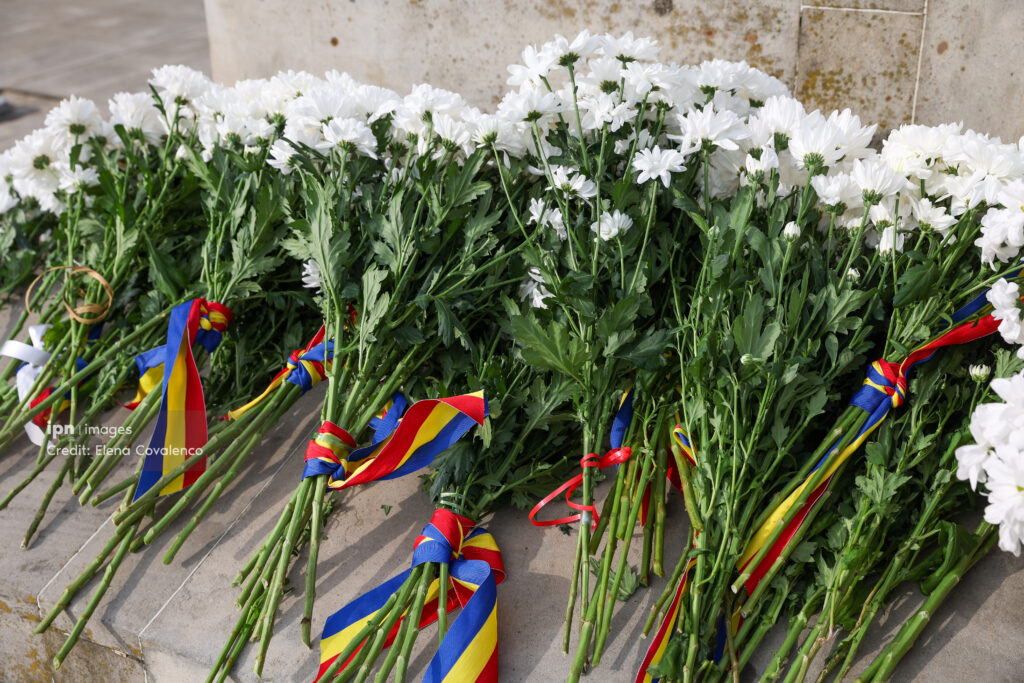
During the ceremony, a memorial service was also organized, officiated by a council of priests, followed by a minute of silence in memory of those who lost their lives. Participants laid wreaths in memory of the victims of deportations and families torn apart by the totalitarian regime.