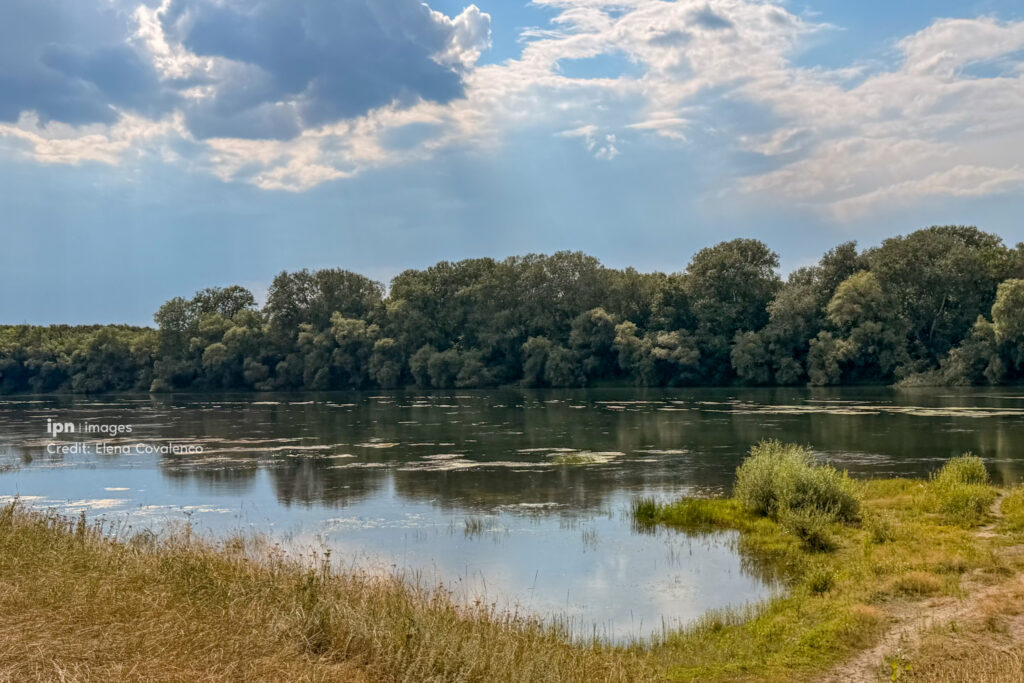
The water level in the Dniester River has significantly decreased in the north of the Republic of Moldova, due to drought and precipitation deficit in Ukraine. The Minister of Environment, Gheorghe Hajder, states that at the Cosauti water intake station, the water level has dropped by approximately 10 centimeters. According to him, there is currently no danger to the water supply, however, rational water consumption remains essential, reports IPN.
The Minister emphasized that the situation is continuously monitored, including at the main water intake points. Water and sewerage operators have been urged to closely monitor the flows and to inform the National Crisis Management Center and the Ministry of Environment about any potential issues or support needs.
According to Gheorghe Hajder, the situation on the Dniester is also influenced by the decrease in water level in the Novodnestrovsk lake in Ukraine. At the meeting of the Dniester Commission on September 14, the Ukrainian side requested a significant reduction in the discharge from the lake, citing the drought in the Carpathians. The authorities in Chisinau rejected the proposal and have so far maintained a constant discharge.
In the meantime, the water level in Lake Novodnestrovsk has dropped from the normal level of 121.5 m to a critical threshold, below 111 meters – a decrease of over 10 meters. Thus, the balancing regime has been implemented: the dam no longer accumulates anything, and all the water coming from the Carpathians flows directly towards the Republic of Moldova.
According to the minister, the reduction of the flow is felt more acutely in the upper sector of the Nistru, up to the Dubasari lake. The lower sector is, for now, protected by the Dubăsari reservoir.